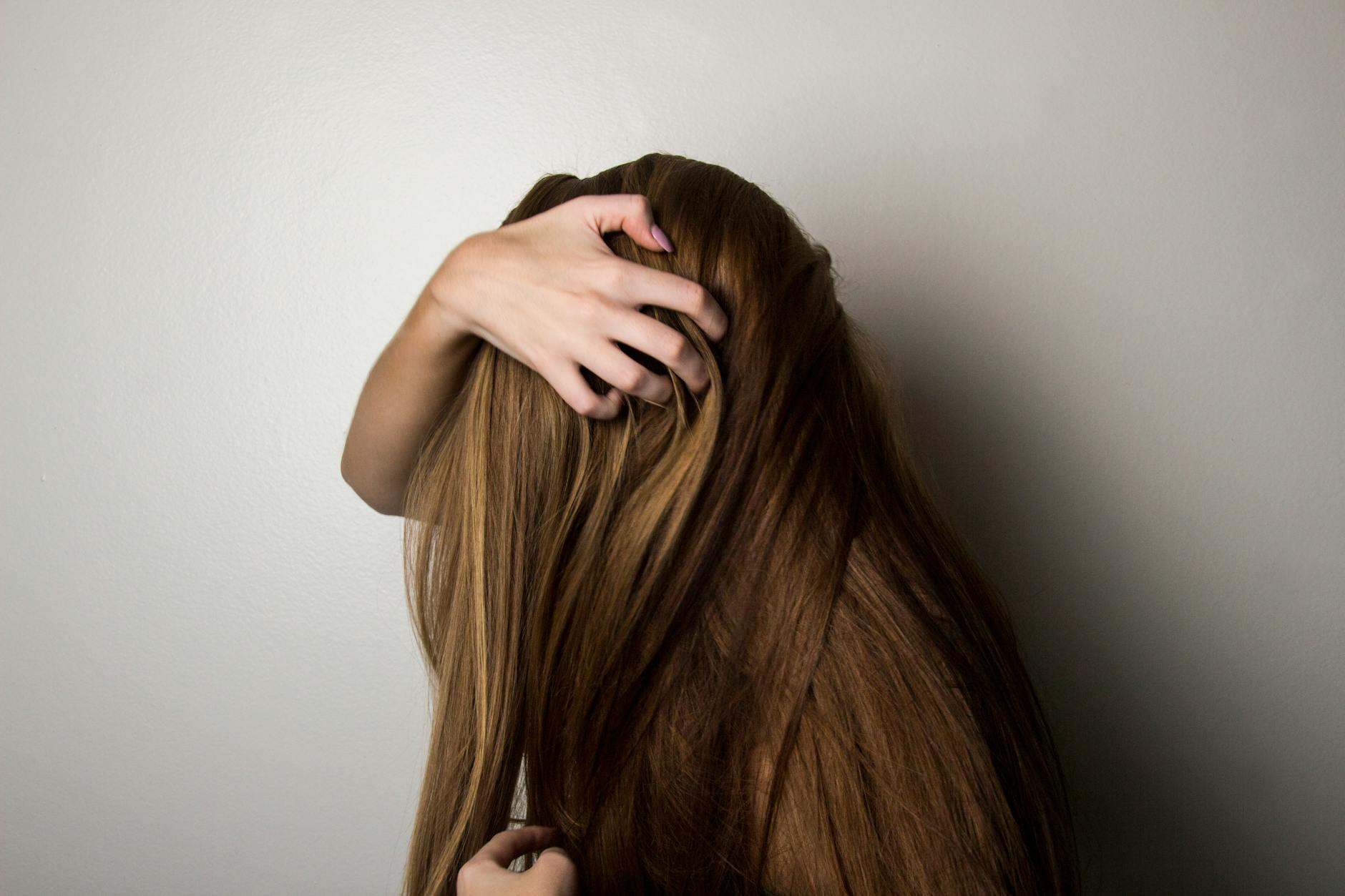
Hair is often spoken about as though it should remain consistent throughout life. When it changes, the instinct is to assume something has gone wrong. In reality, hair evolves naturally alongside lifestyle, environment, and age. What worked effortlessly at one stage of life may no longer deliver the same results later, not because hair has failed, but because its needs have shifted.
Understanding this evolution is essential to maintaining healthy, manageable hair over time. Hair care is not about chasing a fixed ideal. It is about responding intelligently to change.
The Early Years: Hair at Its Most Forgiving
In early adulthood, hair tends to be resilient. Growth cycles are strong, oil production is balanced, and damage is often easier to reverse. Hair recovers quickly from styling, environmental exposure, and experimentation.
This forgiving nature can create habits that feel harmless at the time but become problematic later. Over-styling, excessive heat, and inconsistent care often go unnoticed because hair compensates so well.
Why Early Habits Matter Later
Hair records stress. Even when damage is not immediately visible, it contributes to long-term weakening. The effects may surface years later, when recovery becomes slower.
Awareness earlier reduces correction later.
Midlife Shifts: When Hair Begins to Respond Differently
As life becomes busier, routines tighten. Stress increases, schedules change, and hair often receives less patient attention. At the same time, hormonal shifts subtly alter texture, density, and moisture retention.
Hair may begin to feel drier, less predictable, or slower to recover from styling. This phase often triggers frustration, especially when old routines stop working.
Why Hair Is Not Becoming “Difficult”
Hair is not misbehaving. It is responding to new internal and external conditions. The issue is not deterioration but mismatch.
Care must adapt.
Texture Awareness Becomes Essential
With time, texture often reveals itself more clearly. Hair that once felt neutral may lean finer, coarser, or more porous. Ignoring these changes leads to routines that work against hair rather than with it.
Texture-aware care improves results without increasing effort.
Why Fighting Texture Creates Fatigue
When hair is forced into shapes or behaviours it no longer supports easily, stress increases. Fatigue follows.
Acceptance improves manageability.
Products as Long-Term Support Systems
As hair evolves, products become more than styling aids. They function as protective systems, preserving moisture, reinforcing strength, and smoothing vulnerability.
Choosing products that match hair’s current condition rather than past expectations allows hair to stabilise and respond more consistently.
Why Product Loyalty Should Remain Flexible
Sticking to the same products indefinitely can limit progress. Hair needs change. Products should change with them.
Adaptability sustains health.
The Impact of Lifestyle on Hair Quality
Lifestyle influences hair as powerfully as genetics. Sleep patterns, nutrition, stress levels, and physical activity all affect hair growth and strength.
Periods of exhaustion or imbalance often show up first in hair before appearing elsewhere.
Why Hair Reflects Internal States
Hair is sensitive to internal shifts. Reduced nutrient availability or prolonged stress alters growth cycles and fibre quality.
Care routines should acknowledge lifestyle realities.
Environmental Exposure Over Time
Environmental stress accumulates. Years of sun exposure, pollution, and water minerals gradually affect hair’s surface and internal structure.
Protective care becomes increasingly important with time.
Why Protection Is Preventative, Not Reactive
Protection reduces future damage rather than fixing past harm. When incorporated early, it preserves hair’s integrity.
Prevention sustains longevity.
Emotional Expectations and Hair Identity
Hair is deeply tied to identity. When it changes, people often feel disconnected from their appearance. This emotional response can lead to overcorrection or impatience.
Reframing hair care as adaptation rather than loss restores confidence.
Why Identity Should Evolve with Hair
Hair does not need to look the same to feel authentic. Embracing change allows hair to become expressive again.
Flexibility restores satisfaction.
Professional Guidance as Perspective
Professional hair stylist in London often help people see hair objectively. They recognise patterns, transitions, and needs that are easy to overlook personally.
This perspective shifts care from reaction to strategy.
Why Guidance Prevents Trial-and-Error Fatigue
Guesswork creates frustration. Informed adjustments reduce wasted effort and unnecessary stress.
Clarity saves time.
The Role of Patience in Mature Hair Care
As hair ages, patience becomes essential. Recovery takes longer. Results unfold gradually. Expecting instant transformation creates disappointment.
Patience allows routines to work fully.
Why Slower Results Are Often Better Results
Gradual improvement indicates stability. Stability supports long-term manageability.
Speed is not the goal.
Redefining Healthy Hair at Every Stage
Healthy hair is not defined by thickness, shine, or youthfulness alone. It is defined by resilience, comfort, and reliability.
When hair feels predictable and easy to care for, it is healthy—regardless of age.
Why Health Is About Function, Not Appearance
Hair that functions well supports confidence. Appearance follows function naturally.
Function sustains beauty.
Conclusion
Hair evolves as life evolves. Treating it as static creates frustration, while responding to its changes creates harmony. When care adapts to texture shifts, lifestyle changes, and environmental realities, hair remains strong and expressive at every stage. Healthy hair is not about preserving the past. It is about supporting the present. When care evolves alongside life, hair continues to feel like an asset rather than a challenge—reliable, responsive, and uniquely personal over time.
Leave a Reply